The plastic recycling industry is evolving rapidly. As the demand for circular economy solutions grows, recycling facilities are under pressure to process post-consumer plastic waste with higher purity, better consistency, and lower energy costs.
At Twin Technologys, we work with many recyclers who face a common hurdle : the inconsistency of incoming waste. Unlike virgin resin, post-consumer material varies significantly in contamination levels, melt flow index, and density. Here is how to optimize your extrusion line to handle these challenges.
1. The Challenge of Contamination
Recycled plastic often carries impurities that can degrade both your product and your equipment. To manage this, your screw configuration must prioritize:
- Aggressive Venting: Ensure your barrel setup has sufficient venting zones to remove volatiles, moisture, and odors effectively.
- Filtration Integration: Your screw design should be paired with high-performance screen changers to remove solid contaminants before they cause damage to downstream components.
2. Tailored Screw Configuration
Standard compounding screws may not be sufficient for the high-friction environment of recycling. You need a design that balances:
- High-Volume Feeding: To handle the lower bulk density of flake or shredded material.
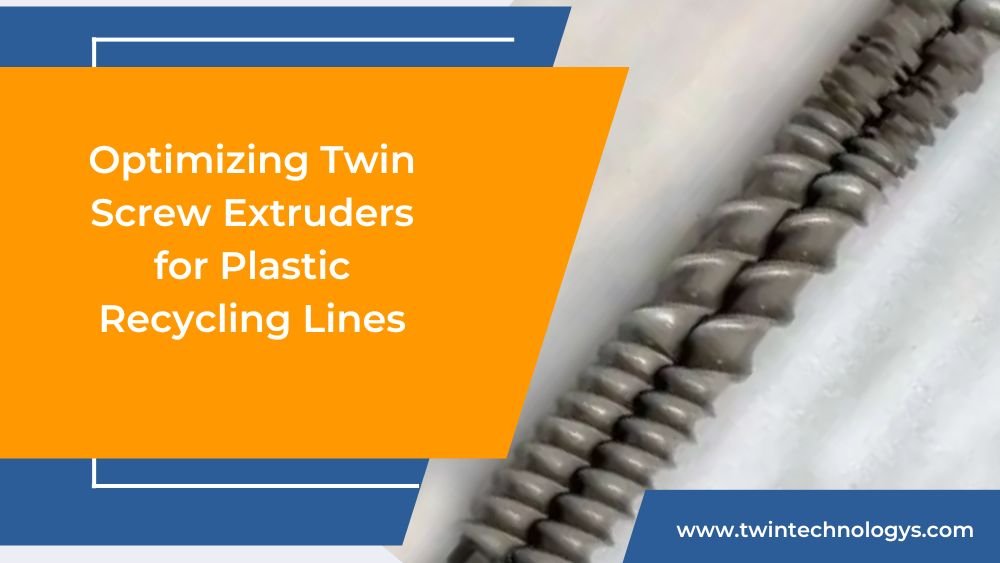
- Controlled Shear: Use specialized kneading blocks that provide enough shear to homogenize the melt without causing localized overheating, which degrades recycled polymer chains.
3. Investing in Wear-Resistant Components
Recycling is inherently abrasive. Contaminants like glass fibers, mineral fillers, or residual metallic particles will eat through standard machine parts quickly.
- Material Choice: Consider utilizing Bimetallic Barrels or specialized Powder Metallurgy screw elements. While the initial investment is higher, the extended lifespan and reduced downtime in a high-throughput recycling environment significantly lower your total cost of ownership.