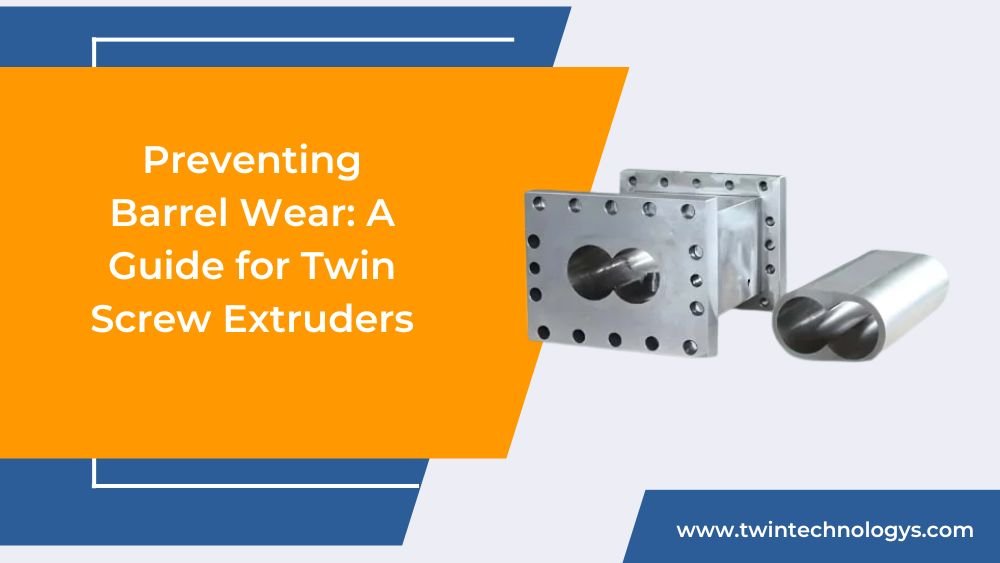
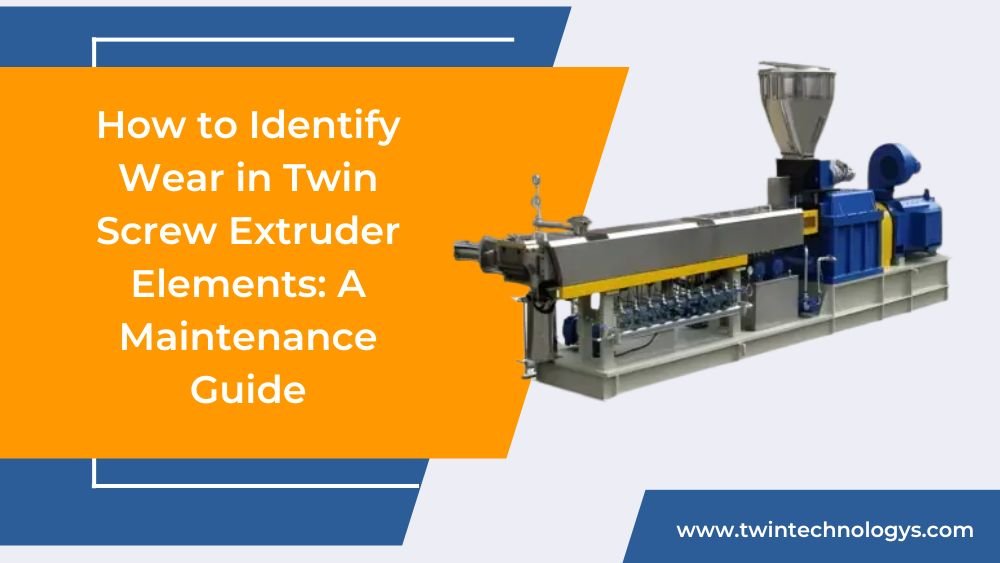
For any extrusion professional, nothing is more frustrating than an inconsistent melt or a sudden drop in output. Often, the culprit is hidden right inside the barrel: worn-out screw elements.
As a manufacturer of twin-screw extruder components, we know that screw elements are the “muscles” of your machine. When they wear down, your machine loses its ability to convey, melt, and mix materials effectively.
1. The "Tell-Tale" Signs of Element Wear
Before your machine stops completely, it will give you warnings. Watch for these five symptoms:
- Decreased Throughput: If your output volume has slowly dropped while your motor amperage remains the same, your screw elements likely no longer have the “bite” required to push material efficiently.
- Inconsistent Melt Quality: Are you seeing streaks or unmelted pellets in your final product? This indicates that the kneading blocks have lost their profile, failing to generate the necessary shear for proper dispersion.
- Increased Melt Temperature: Excessive friction caused by poor screw geometry or worn-out gaps can cause the melt temperature to spike, leading to material degradation.
- Unusual Vibration or Noise: Mechanical wear often changes the way the screws mesh. If you notice increased noise levels or jittery operation, inspect the flight profiles immediately.
- Higher Motor Amperage: If the motor is working harder to maintain the same RPM, the increased clearance between the screw and the barrel is likely causing material “backflow,” forcing the machine to compensate.
2. Why Proactive Inspection Matters
Waiting for a breakdown is expensive. An unplanned shutdown costs your facility more in lost production hours than the cost of a routine inspection.
Pro-Tip: Establish a “wear baseline.” During your next planned maintenance, take precise measurements of your screw elements. Document these dimensions. Compare these numbers every 3–6 months to see exactly how much material is being lost to wear.
3. Choosing the Right Components for Longevity
Not all replacement screw elements are created equal. When replacing worn parts, focus on:
- Material Selection: Ensure the metallurgy of your elements matches the corrosiveness and abrasiveness of your specific material (e.g., hardened steel vs. powder metallurgy).
- Precision Tolerances: Even a 0.1mm deviation in the flight gap can drastically affect your throughput. Always source components from manufacturers who use advanced CNC grinding processes.
Conclusion
Your twin-screw extruder is a high-precision instrument. Treating it with a “run-to-fail” strategy is a recipe for high maintenance costs. By monitoring the signs of wear and investing in high-quality, precision-engineered components, you ensure that your production line remains both reliable and profitable.